
Why Question Games Start to Feel Like Homework (and How to Fix It)

Question games for couples start to feel like homework the moment they turn into a checklist instead of a conversation, when questions get answered fast just to keep the momentum going instead of sat with. The fix isn't fewer question games. It's a different rhythm.
Question fatigue in relationships is the flattening effect that happens when couples questions are treated as tasks to complete instead of conversations to sit with.
If you've ever pulled out a stack of couples questions and felt your energy drop by card six, that's not a sign the questions were bad. It's a sign the format was working against you.
TL;DR
- Question games feel like homework when they're rushed, repeated too often, or used to fill silence instead of build connection.
- The problem is usually pacing and intent, not the quality of the questions themselves.
- One question, answered slowly, does more for emotional intimacy than twenty answered on autopilot.
- Novelty fades fast. The brain stops registering a repeated format as meaningful once it becomes routine.
- Partners with different emotional styles often hit fatigue at different speeds, which is worth understanding rather than pushing through.
- A daily ritual protects curiosity better than a big question dump, because it spaces stakes out instead of front-loading them.
- Skip question games during conflict, exhaustion, or when a partner needs space more than a prompt.

What Is Question Fatigue in Couples' Question Games?
Question fatigue is what happens when a tool meant to build closeness starts to feel like an obligation. It shows up as short, generic answers, a rush to get to the next card, or quiet resistance to starting the game at all.
It's rarely about the couple. It's almost always the format: too many questions, too close together, with no room to process an answer before the next one arrives.
Couples communication tools work best when they create space, not when they fill it. A thirty-card question game answered in fifteen minutes covers more ground on paper, but it usually builds less real emotional intimacy than three questions spread across a week.
Why Does Answering Questions Feel Like an Interview Instead of Intimacy?
Two people trading fast answers to unfamiliar questions can start to feel less like a couple and more like two people in a job interview. There's a name for that shift: performative answering, where the quiet goal becomes "give an acceptable answer" instead of "say something true."
This happens for a simple reason. Real intimacy needs a small amount of risk, the sense that an honest answer might land somewhere unexpected. When questions arrive too fast, there's no time to feel that risk, so the brain defaults to a safe, rehearsed response instead.
That's the opposite of what couples communication is supposed to do. A rushed question game can technically "work," in that both partners answer and nobody's upset, while quietly training both people to disengage from the real curiosity that was the actual goal.
This is also where what emotional safety in a relationship actually looks like matters more than most question decks account for. If answering honestly doesn't feel safe or unhurried, most people default to a version of the truth that's simply easier to say out loud.

The Psychology Behind Why Structured Questions Backfire
Novelty is doing more work in a question game than most people realize. A new question triggers curiosity. A familiar format, even with new questions inside it, eventually stops triggering that same response, because the brain files it under "routine" rather than "worth paying attention to."
That's why the fifth question game in a month lands so differently than the first one did. It's not that the questions got worse. The format lost its novelty, and novelty is part of what made it feel meaningful in the first place.
🔑 Key Insight: The problem with most couples question games isn't the questions, it's the dosage. A single well-timed question, asked with real curiosity, produces more relationship bonding than a stack of twenty answered back to back, because attention and stakes matter more than volume.
Statistics & Research Insight
Relationship researchers, including the Gottman Institute, describe the concept of a "love map": the internal picture each partner holds of the other's inner world. Their long-running research on couples consistently finds that partners who stay actively curious about each other in small, ongoing ways, rather than through occasional big gestures, report stronger relationship satisfaction over time. The mechanism isn't the number of questions asked. It's whether the curiosity stays active.
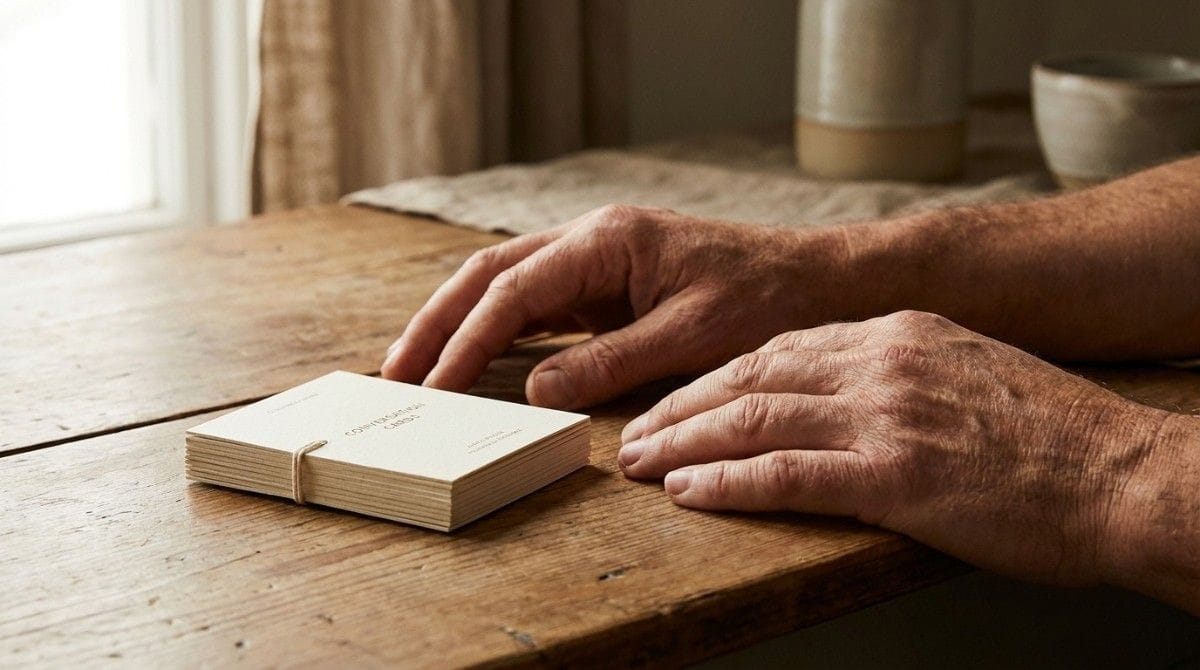
How To Fix It: Turn Question Games Into a Ritual, Not a Checklist
The fix is structural, not motivational. You don't need more willpower to get through a deck. You need a different shape. This is the same logic behind Flamme's one-question-a-day ritual: fewer questions, more space, more honesty.
Quick Framework: The Slow-Question Method
- Pick one question, not ten. Let it be the only thing you talk about tonight.
- Answer it slower than feels natural. Add the "why" behind your answer, not just the answer itself.
- Let your partner respond without immediately jumping to the next question.
- Notice which questions genuinely surprised you, and revisit that topic later instead of moving on.
- Space the next question out, ideally a day or more, instead of stacking several in one sitting.
This lines up with what the small habits that keep couples close already point to: frequency and attention build closeness, not volume.
| Approach | Question Dump | Daily Ritual |
|---|---|---|
| Pace | 10 to 30 questions in one sitting | 1 question per day |
| Primary goal | Cover ground quickly | Build a habit of curiosity |
| Emotional effect | Novelty fades fast, answers get shorter | Stakes stay steady, answers get more honest |
| Best used for | A single date night or icebreaker | Ongoing relationship bonding |
If you want more structure than a single question but less than a full deck, formats like couples card games built for real conversation sit in between, especially when the game is designed for reflection rather than speed. Some couples find a slower, playful format like truth or dare questions built around vulnerability works precisely because it doesn't ask you to get through anything. It just asks you to be honest, once.
For couples who keep hitting fatigue at different points, it's often less about mismatched effort and more about mismatched emotional styles. That's exactly what Flamme's Type of Lovers quiz was built to map out, so you know which kind of question actually lands for your partner instead of guessing.
What Happens If You Keep Pushing Through the Fatigue?
Nothing dramatic happens the first time you push through. That's what makes it easy to miss.
Over time, pushing through question fatigue trains both partners to associate relationship questions with obligation instead of curiosity. The next question game gets a smaller, more guarded response. Eventually, one partner starts suggesting it less, not because they don't care, but because it's started to feel like a task.
This matters even more for long-distance couples building emotional intimacy without physical touch, where questions often carry more of the relationship's connective weight. Fatigue there doesn't just flatten a game night. It can flatten one of the few tools the relationship has to stay close.
When NOT to Use This
- During or right after a conflict, when a question can read as a distraction from the real issue.
- When one partner is exhausted and needs quiet, not a prompt.
- As a way to force a serious conversation neither partner has agreed to have.
- Back to back, with no space to actually sit with an answer.
- When one partner is answering just to move the game along, not because they want to.
Final Takeaway
Question games don't fail because the questions are bad. They fail because most formats are built for volume instead of depth. The fix is almost always the same: fewer questions, more space, and enough time between them for curiosity to reset.
That's the entire logic behind a daily ritual instead of a deck. One honest question a day, asked slowly, builds more relationship bonding over a month than a single long session ever will.

Reading about question fatigue is useful. It won't fix it on its own. Passive advice tells you what's happening; it doesn't change the format you're stuck in, and the format is the actual problem.
That's the gap structured rituals close. Consistency, not intensity, is what builds emotional intimacy over time, and consistency is hard to sustain with a deck of cards you have to remember to pull out.
Flamme is a guided system for daily relationship rituals, built around exactly the rhythm this article describes.
- One meaningful question a day, so curiosity never gets front-loaded into a single tiring session.
- Emotional check-ins that make space for how you're actually doing, not just what you're willing to answer quickly.
- Long-distance bonding tools designed for couples who need connection to travel across the miles, not just across a table.
If you're not sure which kinds of questions actually land for you and your partner, the Type of Lovers quiz is a good place to start. It maps emotional styles and communication patterns before you spend another night guessing.
Download Flamme and grow closer every day, one question at a time.
FAQ
Why do question games for couples start to feel forced? They usually turn into a checklist. When questions get answered quickly just to get through a list, curiosity turns into performance, and the exchange stops feeling like a real conversation.
How often should couples do question games? Less often than most decks suggest. One well-chosen question, sat with for a few minutes, tends to build more emotional intimacy than a dozen answered back to back.
What's the difference between a question game and a daily question ritual? A question game is usually a one-time session with a stack of cards. A daily ritual spreads questions out over time, which protects genuine curiosity instead of exhausting it.
Can question games hurt a relationship if used the wrong way? Yes. Pushing through a list during conflict, exhaustion, or resistance can turn a bonding tool into pressure, which tends to backfire.
What's a better alternative to a big couples question list? A slower, spaced-out rhythm, like one meaningful question a day, works better for most couples than a long list answered in one sitting.